
3 rti phonics intervention activities for tier 2 reading instruction
I am blessed to work in a district where RTI intervention is a priority. We work as a grade level team and as a school team to design the best instruction to meet the academic needs of all learners.
For 45 minutes on Tuesdays through Fridays, our grade level shares kids by academic need. Some of our firsties are doing extension activities, some doing lit circles, some doing math skills, and some are working on basic phonics intervention activities based on the reading foundational skills they are still lacking.
Each student is placed in an RTI intervention group based on district, school, and classroom data. And, personally, I love our system for collecting and tracking student data. I love that every student doesn’t have to be working on the same thing. I love that decisions are made based on data we already have and I love that every group is different!
My intervention group is a Tier 2 intervention group. They struggle. For real. We all have those babies, don’t we? It’s not that they can’t, it’s just that it takes longer to say, “I can!” I’ve spent some time playing around with the best way to intervene on this group’s lack of phonics skills and I’ve failed…a LOT!
But I’ve also found a few successful phonics intervention activities this year too! Let’s take a closer look at 3 of my most successful phonics intervention activities for decoding and phonics.

Scaffolded Sound Lines
I use these phonics intervention activities in my tier 2 group AND whole group with my classroom during phonics instruction. And it has changed my spelling instruction!

First we use total physical response and our fun “Break It Down” chant. As we break it down, we write lines for each sound as we say the sounds.
3 sounds = 3 lines
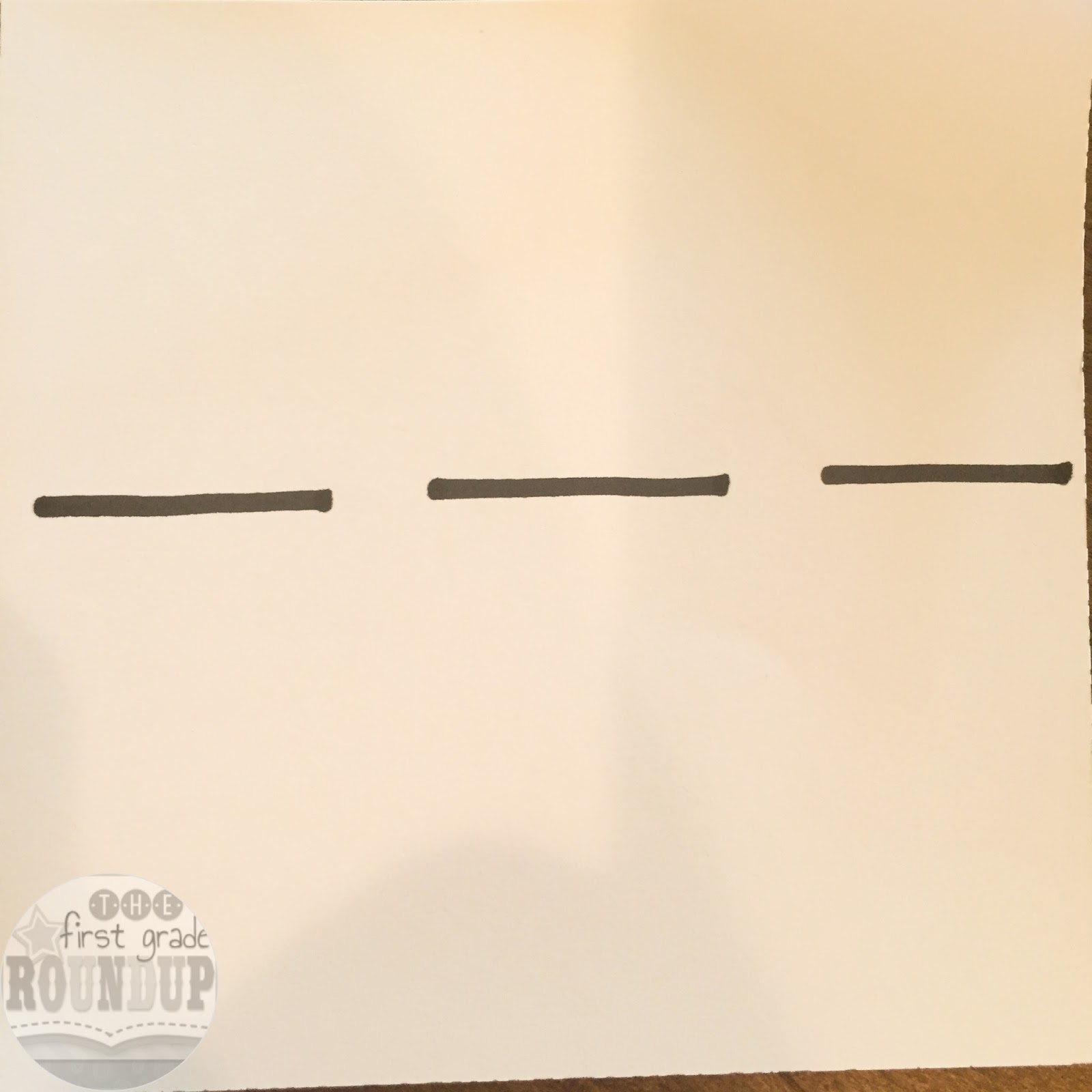
Then, we share the sounds…How many sounds did you hear?? “3!!” And I answer with, “3 sounds, but 5 letters. The first sound has two letters that make one sound and the last sound has two letters to make the sound.” Then I add lines like this…

Then, the kiddos spell the word. In the classroom, it looks like this from my kiddos…
The visual is just so powerful. Even my low intervention group friends spell 10 times better when they have their letter and sound lines drawn first! And when we are spelling a new word, I INSIST they draw the letter and sound lines first!

Sound Sorting & Highlighting
Another one of the phonics intervention activities I use for kiddos having a hard time decoding words is sorting and highlighting. It sounds so simple….and it’s not a groundbreaking idea or anything, but, man, is it effective.
We start by sorting words by sound feature.
Then, we highlight the feature sound. During RTI intervention phonics groups, this means I am asking kids to tell me which sound pattern they see in the word and where they see it (beginning, middle and end). I’m wanting kids to attend to chunks and patterns and their location. If we see previous sound chunks we’ve mastered (like blends, for example), we highlight those previous sounds in a different color.
Here’s an example of the highlighting and color coding from one of the whole group phonics intervention activities.

This works really well for helping kids chunk. Have a kids that decodes by saying the sound of every single letter? B-R-I-N-G….Have them sort and highlight. The visuals help train their brain to look for chunks and to see words as sequenced sound chunks.
Of course, just because a kid can sort and highlight doesn’t mean he/she can READ and decode. That’s why it is super important to have kids read you their sorted words when they finish….or illustrate the words if that is possible. When I do this whole group, I walk around and point to 2-3 words randomly and my firsties have to be able to read those words to me or they aren’t finished! When, I do small group intervention, each student reads each word to me…because at that level of intervention the time it takes is worth it!
Grab a year of phonics sorts for K-2 and have these ready to go on any level you need!

Nonsense Word fluency Games
Once kiddos can recognize visual patterns, they need to be able to apply those skills by decoding words with those sound patterns. My wacky words game is perfect for this!
There are two versions of this game for 29 different sound patterns.
The first version has pre-made words for students to read and sort based on whether or not it is a real or nonsense word.

The second version has onset and rime cards for each sound pattern. We use the color coded cards to play games in small groups or intervention. They can also be used for partners to play in literacy stations to reinforce the sound pattern you are working on whole group.
Students can also “play” this game with their own set of onset and rime cards. They make an onset pile and a rime pile. Then, build a word….

Then, they decide if the word is real or nonsense….


So….why the focus on nonsense words? Decoding multi-syllable words requires kids to decode nonsense words.

For example, the word MASCOT can more easily be read by decoding each syllable. Kids will naturally do this. Problem is, each syllable is a nonsense word.
If kids have only been exposed to real words and not forced to see nonsense words, they will struggle decoding multi syllable words.
On top of that, when we make kids read nonsense words, like on the DIBELS Nonsense Word Fluency test, we are making kids show us their decoding skills, and not letting them rely on their ability to memorize words.
So, yes, I was that person who hated DIBELS and thought the NWF test was pointless. But not now. Not after this major aha this year. I’ve spent more time focusing on decoding words–real and nonsense–and I’ve seen the payoff!
Grab all of the nonsense word game activities in my latest packet!
