
Help! I Need A Science of Reading Aligned Curriculum–But Easy!
Let me guess. Your district or administration is asking your literacy block to be aligned to the Science of Reading, but they aren’t giving you a ton of support. Or they’ve dropped a Science of Reading aligned curriculum in your lap with little to know training–or training that will start AFTER the first day of school. *eye roll
Or MAYBE you’ve heard of the Science of Reading and you know you need a shift in your classroom to help all the struggling kids in your classroom, but you’re on your own with the change and don’t know where to start! #thatwasme
Whatever has brought you here, welcome! I made the switch to the Science of Reading almost 10 years ago, and I’ve never looked back. And my biggest takeaway all these years later? It was actually easier than I thought it would be!
So, let’s chat about 5 easy tips for making the shift to a Science of Reading aligned curriculum in the K-2 classroom!
Get Back To The Basics
When I decided to shift to a Science of Reading aligned curriculum, I dug into the research. I got back to the basics.
And I was shocked to realize so many of the basics were things I learned in college…that maybe got drowned out by trying to implement the curriculum my district had dropped in my lap–hey there, Fountas and Pinnell… and hello to Lucy Calkins too! 😐
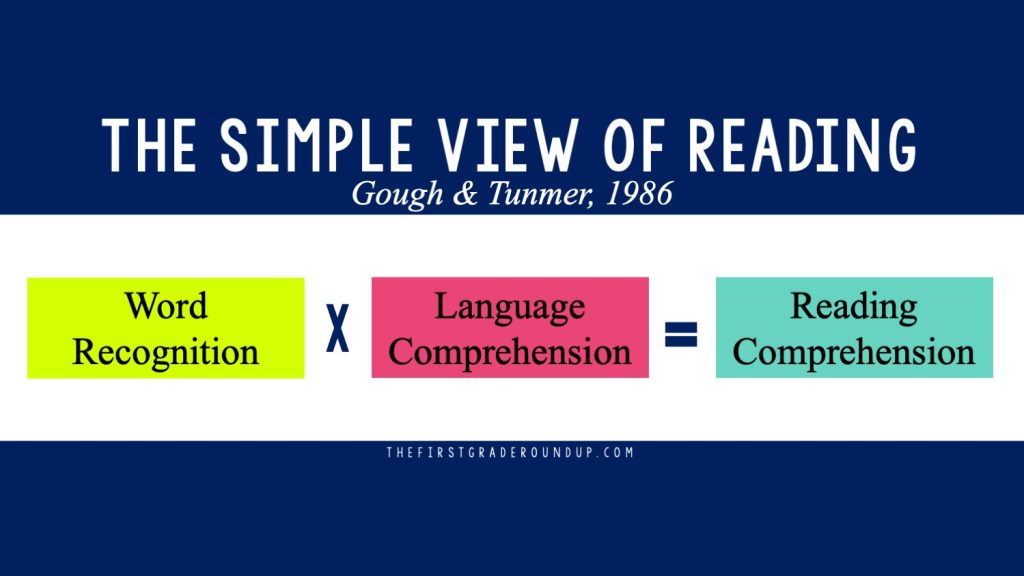
The first basic building block is the Simple View of Reading. Take a look at the diagram below and ask yourself: Does my reading curriculum focus on BOTH word recognition and language comprehension? If yes, hang tight while we go a little deeper. If no, hang tight…I got you!
Let’s dig a little deeper for some more basics of literacy. This was a HUGE part of my Masters degree in teaching. And then I’m ashamed to say that by the time I implemented the reading program my district asked me too, there was little or no whole group instruction for most of these elements.
Did I have these elements in my classroom before SoR? Yep! But they were integrated into guided reading groups–or my Tier 2 instruction–and were mostly absent from my whole group–or Tier 1–instruction! #soembarrassing #butitstrue
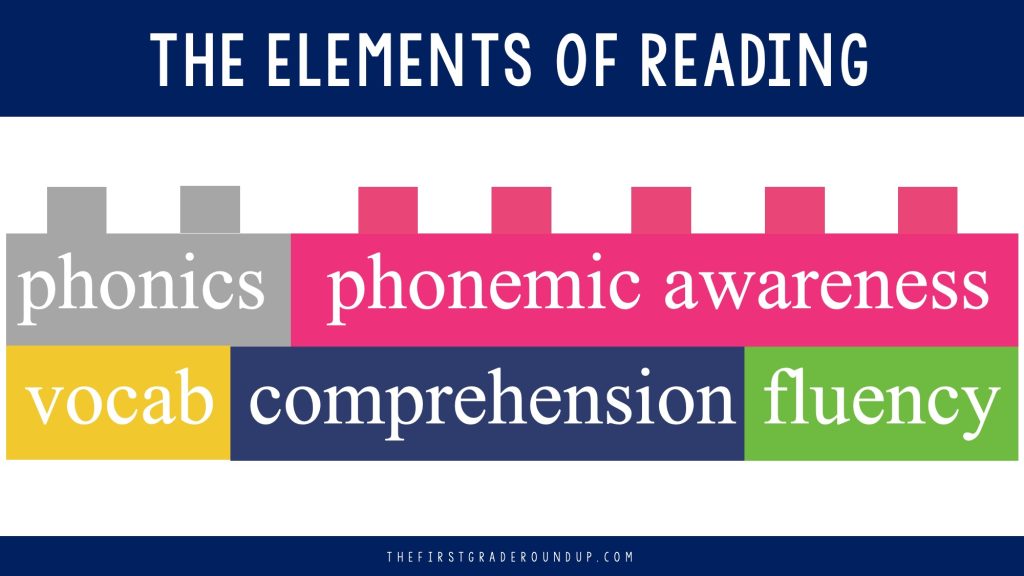
The Science of Reading shift means we are taking these 5 basic building blocks and we are making sure they each have a consistent place in our whole group literacy instruction. Can we still do small groups? Yes. Can we still have these elements in our small group instruction? Absolutely you should. But I absolutely should be working on grade level teaching for each of these during our whole group reading time.
And while we are on the basics…can we chat about oral language. This quote I found in my research was a HUGE shift for me.
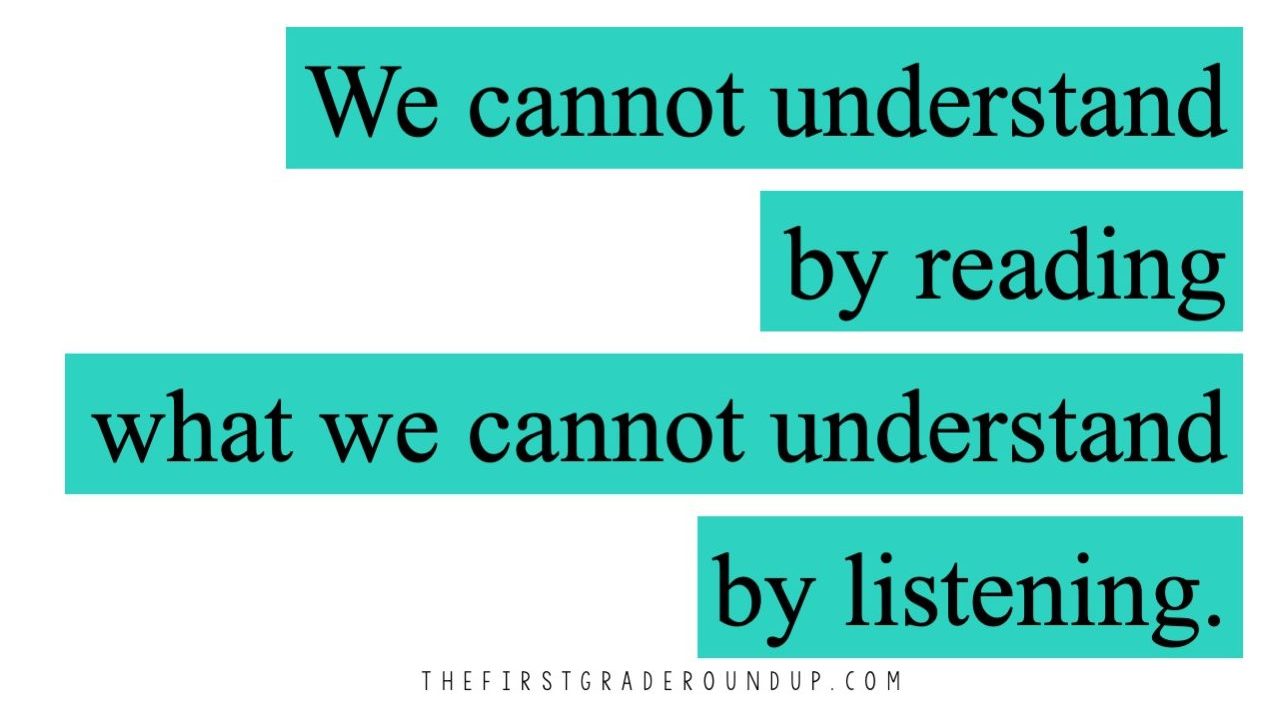
I was not spending enough INTENTIONAL time working on listening comprehension. Sure, I was reading books to my kids when we had a spare minute, but I wasn’t intentionally planning comprehension work with the books–I was just winging it! Read more about why oral language is so crucial in K-2 and how to easily build it into your lit block.
If you need some more basic training in the Science of Reading, you need to add this podcast to your playlist. I’m 10 years in to my SoR journey and I STILL learn so much from The Science of Reading Podcast.
Trash The Leveled Readers
The first big action I took was trashing a few things in my room–not donating because other teachers didn’t need to be using them either–TRASHING! 🙂
At the top of the list was trashing my leveled readers. Yep, that’s a whole cabinet full!
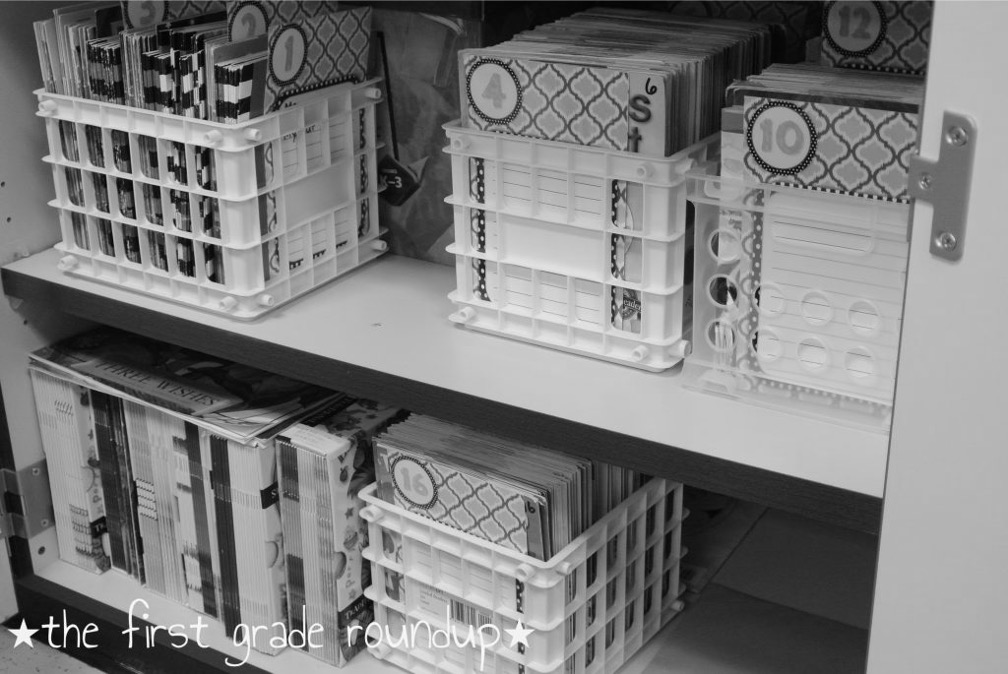
And while I was at it, I trashed my Fountas & Pinnell reading textbook, too! This was a BIG deal for me because leveled readers were my lifeline in guided reading.
And while I eventually said goodbye to Guided Reading, too, I had to find some kind of text for kids to read in whole groups or small groups.
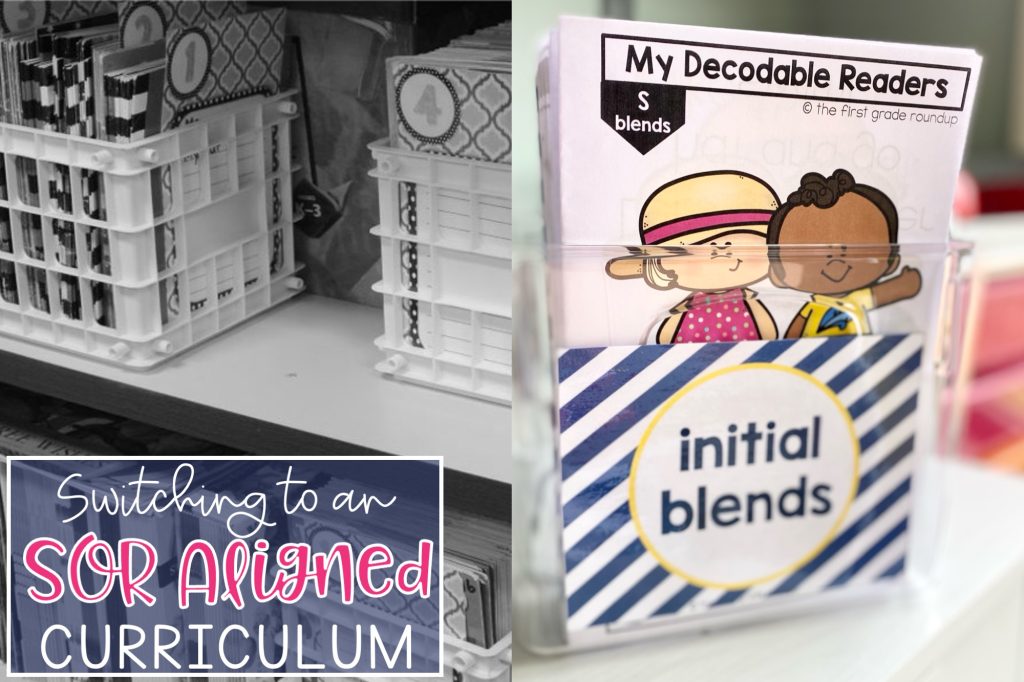
That’s when I started creating my own set of decodable readers and passages. Because if I was switching to decodables instead of leveled readers, I needed to know that the decodable texts were aligned to our phonics pacing and were actually decodable. (Fun fact: not all texts labeled “decodable,” are, in fact, decodable…ugh) And they weren’t going to be those boring phonics readers that put kids and teachers to sleep!

Want to know why I ran straight for decodables? Read all about why decodables are essential in the classroom–especially in a Science of reading aligned curriculum.
Explicit and Systematic Phonics Instruction
No more skimming through phonics. Or teaching a phonics sound that goes with your theme for the week. Or telling yourself it’s okay because kids are getting phonics instruction during small groups at their level.
It’s not okay.
And that was a hard truth for me to come to grips with. But it was the truth.
Along with trashing things that no longer belonged in my classroom, was carving out a dedicated 20 minutes for phonics instruction in my first grade classroom. And committing to teaching phonics in a systematic and explicit way.
Our district had actually bought a phonics curriculum for us that was aligned to the science of reading. But it was script HEAVY and I could not read the script and teach AND finish phonics in under 20 minutes.
So I made slideshows. Phonics slideshows with our phonics routines on it, so that I could take my eyes of the screen and put my eyes on kids.
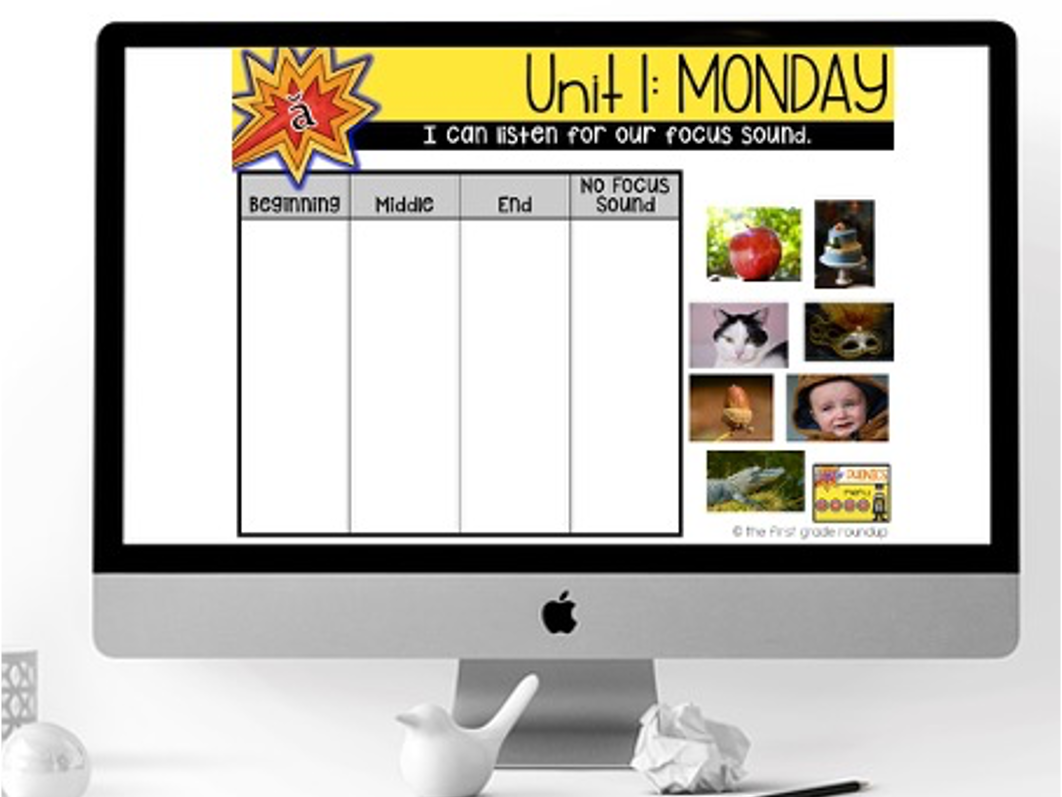
And what happened was magical. We found our rhythm. Our weekly phonics routine almost felt like a song and dance with us moving along at a rhythmic and fun pace. But most importantly, the kids were LEARNING. They were decoding. They were spelling. And it was spilling over into their reading and writing skills.
And that’s when I knew that a Science of Reading aligned curriculum wasn’t optional. It was a have to. And we had to go all the way.
Tie Writing To Read Alouds
As I mentioned early, I’ve always read books to my kids. We’ve done author of the month style read alouds… or a chapter book at the end of the day. Or just a random fun book that goes with what we are teaching.
Nothing can replace a teacher holding an actual book–not showing a video of it–and reading aloud to kids.
But after I was a few steps in to transforming my literacy block schedule, I realized that to get the biggest bang for my buck, I needed to connect writing to reading and make them all in one. No readers workshop and writers workshop. Just a literacy block time that flowed seamlessly from one part to the next.
That’s when my read aloud book studies were born. I started planning my entire week of literacy plans around one focus book.
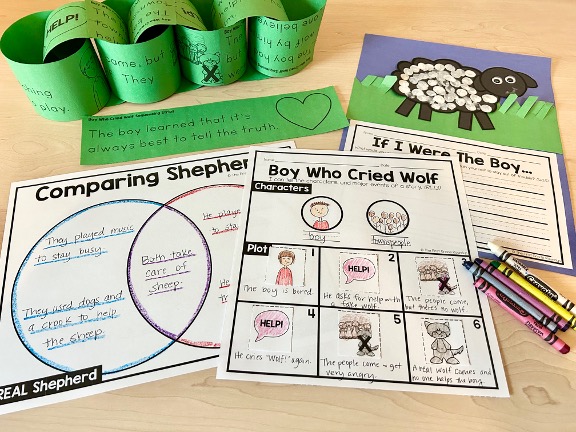
And it was a game changer. It honestly cut my planning time in half and brought more meaning and purpose to everything we did.
You can read more about our read aloud lesson plan routines and how we mesh them all together in our literacy block here.
Take A Deep Breath
Feeling overwhelmed? Breathe.
You probably already know more than you think you do about the Science of Reading. Think of one thing you can do right now to make your classroom more SoR aligned.
Trash outdated materials.
Use decodables, not leveled readers.
Make your phonics routine fun, explicit, and systematic with an engaging slideshow routine.
Connect your writing to your reading by reading a book and then having kids write about it.
Explicitly teach Tier 2 vocabulary words with your read aloud.
Don’t try to do it all. Just pick one you can do. And when you have a good rhythm with that, pick the next right thing. And then the next. Creating a Science of Reading aligned curriculum is not an overnight overhaul. It’s one step at a time doing the next right (evidence-based) thing for our kids.
You’ve got this. And I’m here to help.
Where Can I Find Science of Reading Aligned Curriculum Materials
Want a free set of decodables to get you started? Click here and I’ll send a set of free decodables straight to your inbox. And I’ll be with you (on the other side of your email!) to answer any questions you have!
And if you are ready to dive in for more Science of Reading aligned curriculum resources, head over here to shop everything I use in my classroom. I’ve done the hard work creating it. And now all you have to do is download, print and use!